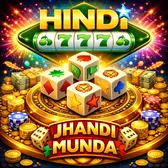
Jhandi Munda (Langur Burja) – Traditional Six‑Symbol Dice Game Guide (2026)
📖 What is Jhandi Munda? Also known as Langur Burja, this traditional Indian dice game uses three dice marked with six unique symbols (Crown, Anchor, Heart, Spade, Club, Diamond). This guide is brought to you by HINDI777, your trusted source for traditional game knowledge within the HINDI GAME collection.
Informational cultural guide – always respect local traditions. 18+ only.



Understanding This Traditional Dice Game: Six Symbols, Three Dice
The traditional six-symbol dice game (often called Langur Burja in rural India) has been played for generations during festivals and family gatherings. Three dice, each showing one of six icons — 👑 Crown, ⚓ Anchor, ❤️ Heart, ♠️ Spade, ♣️ Club, ♦️ Diamond — are rolled together. The symbol that lands face-up most often determines the round’s outcome. No complex scoring, just instant visual comparison. You can also explore similar modern versions on HINDI777.
How the Six‑Symbol Dice Game Works – Prediction & Observation
Unlike number‑based games, this traditional dice game uses three dice, each imprinted with six distinct icons. After a shake, the dice are rolled. Players observe which symbol appears most frequently across the three dice. The dominant symbol (e.g., two Crowns and one Heart) becomes the round’s highlighted result. The instant visual reveal and symbol counting keep each round lively and engaging.
Cultural Roots: Langur Burja & Indian Festive Spirit
Langur Burja (another name for this game) is deeply woven into India’s rural social fabric, often played during festivals, family gatherings, and local fairs. The game brings people together without requiring elaborate equipment. Its six colorful symbols transcend language barriers, making it a universal pastime. The tradition emphasizes friendly competition, shared laughter, and the excitement of the dice roll — pure heritage entertainment.
Observation & Probability Awareness – A Strategic Edge
While each dice roll is random, players often track short‑term symbol frequency. Noticing that a particular icon hasn't appeared for several rounds can be used to make informed predictions. This is not about guarantee but about adding a layer of thoughtful observation. The game rewards patience and pattern recognition, turning each round into a mindful exercise.
Unique Identity: Why This Game Stands Apart
Unlike card comparison or number betting, the six‑symbol dice game delivers a visual feast: six unique icons dance across three dice. The game doesn't rely on high‑low hierarchy but on symbol clustering. It’s instantly accessible for all ages, promoting social bonding and quick decision‑making based on instinct. That’s the timeless appeal — no two rolls are ever the same.
Beginner’s Guide to the Six Symbols
- 👑 Crown – represents power and authority
- ⚓ Anchor – stability and sea heritage
- ❤️ Heart – emotion and warmth
- ♠️ Spade – leaf symbol, nature connection
- ♣️ Club – growth and luck
- ♦️ Diamond – prosperity and brilliance
Fairness & Randomness in Dice Mechanics
Modern implementations of this traditional game use certified random dice generators to ensure each symbol has equal probability. Physical dice sets are balanced for unbiased rolls. Transparency is key — no hidden patterns, just genuine randomness that makes each round exciting, as seen on HINDI GAME.
Frequently Asked Questions – Jhandi Munda
Pros & Considerations
- ✔ Simple symbol recognition – no numbers or complex scoring
- ✔ Fast rounds: 3 dice, immediate outcome
- ✔ Rich cultural heritage & social gameplay
- ✖ Requires understanding of six symbols (easy to learn)
- ✖ Regional variations in rule details exist
🎲 Cultural & Informational Purpose: This page is an educational guide to the traditional dice game Jhandi Munda. It does not promote real‑money gaming. Always respect local laws and play responsibly for entertainment. Intended for audiences aged 18 and above.